
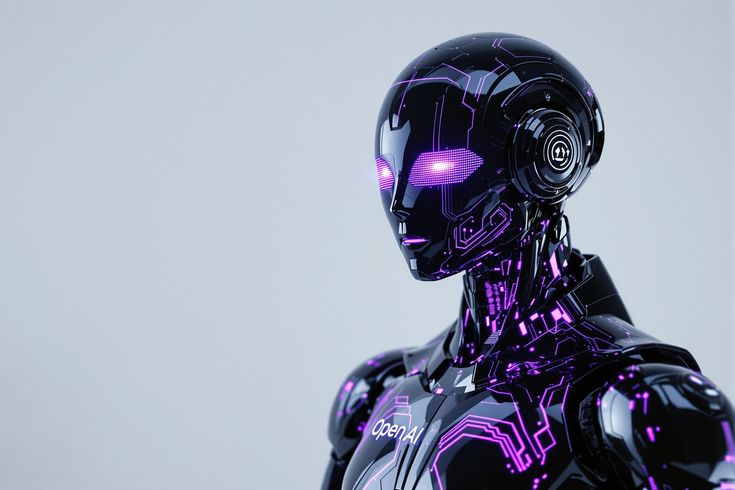
For years, AI was synonymous with chatbots—tools that could answer questions, automate customer support, or help draft emails. But we’re now entering a new era. AI is evolving from passive conversational assistants into autonomous, goal-driven agents capable of performing complex, multi-step tasks with minimal human intervention.
This shift marks one of the most profound changes in how individuals and organizations work. Instead of merely responding to prompts, AI agents can plan, reason, execute, and adapt—creating a new foundation for productivity.
From Chatbots to Agents: What Changed?
Traditional chatbots are reactive. They wait for instructions and provide outputs.
AI agents, however, are proactive and autonomous. They can:
- Break down goals into achievable steps
- Take actions across tools and platforms
- Make decisions using contextual reasoning
- Monitor progress and self-correct
- Collaborate with humans and other agents
In other words, they operate more like digital team members than tools.
Why AI Agents Unlock a New Productivity Frontier
1. True Task Automation
Instead of writing a prompt for every step, users can simply set a goal:
“Research competitors in my industry, summarize their strengths, and generate a strategic positioning plan.”
An agent can perform the research, compare findings, compile insights, and present recommendations—completely hands-off.
2. Cross-App Coordination
Agents can interact with calendars, spreadsheets, project management tools, email, and code repositories.
They don’t just generate content; they execute workflows.
Example: A sales agent can identify leads, update the CRM, draft outreach emails, and schedule follow-ups.
3. Continuous Monitoring
Agents can run in the background:
- Watching financial markets
- Tracking deadlines
- Monitoring code deployments
- Notifying teams of risks or opportunities
They act as always-on analysts.
4. Personalized Decision Support
Agents learn your preferences, routines, writing style, and priorities.
They adapt—making them more like assistants who grow with you.
How Professionals Are Using AI Agents Today
Knowledge Workers
- Automating research
- Preparing reports and presentations
- Managing inboxes and calendars
- Summarizing meetings and tracking action items
Entrepreneurs
- Running customer support
- Drafting proposals and contracts
- Managing marketing campaigns
- Handling invoicing and bookkeeping
Teams & Organizations
- Coordinating projects across departments
- Automating compliance and documentation
- Analyzing performance metrics
- Supporting product development
Developers
- Automating debugging cycles
- Generating code based on system goals
- Managing deployment pipelines
- Testing complex systems
We’re no longer talking about “typing less”—we’re talking about working differently.
What This Means for the Future of Work
The rise of AI agents represents a shift from task execution to goal execution.
Work will increasingly become:
- More strategic — humans define outcomes, agents handle the mechanics
- More creative — agents free time for ideation and innovation
- More collaborative — humans and AI share workflows
- More efficient — multi-step processes shrink from hours to minutes
In the next few years, every professional may have a personal agent ecosystem—specialist agents for research, operations, communication, coding, and planning.
Conclusion: The Agent Era Has Begun
We’re standing at the threshold of a major productivity revolution. Chatbots helped us interact with AI; agents will help us delegate to AI.
Those who learn to work with AI agents—not just prompt them—will experience exponential gains in efficiency, creativity, and output.
The future isn’t human vs. AI.
It’s humans amplified by AI agents.